
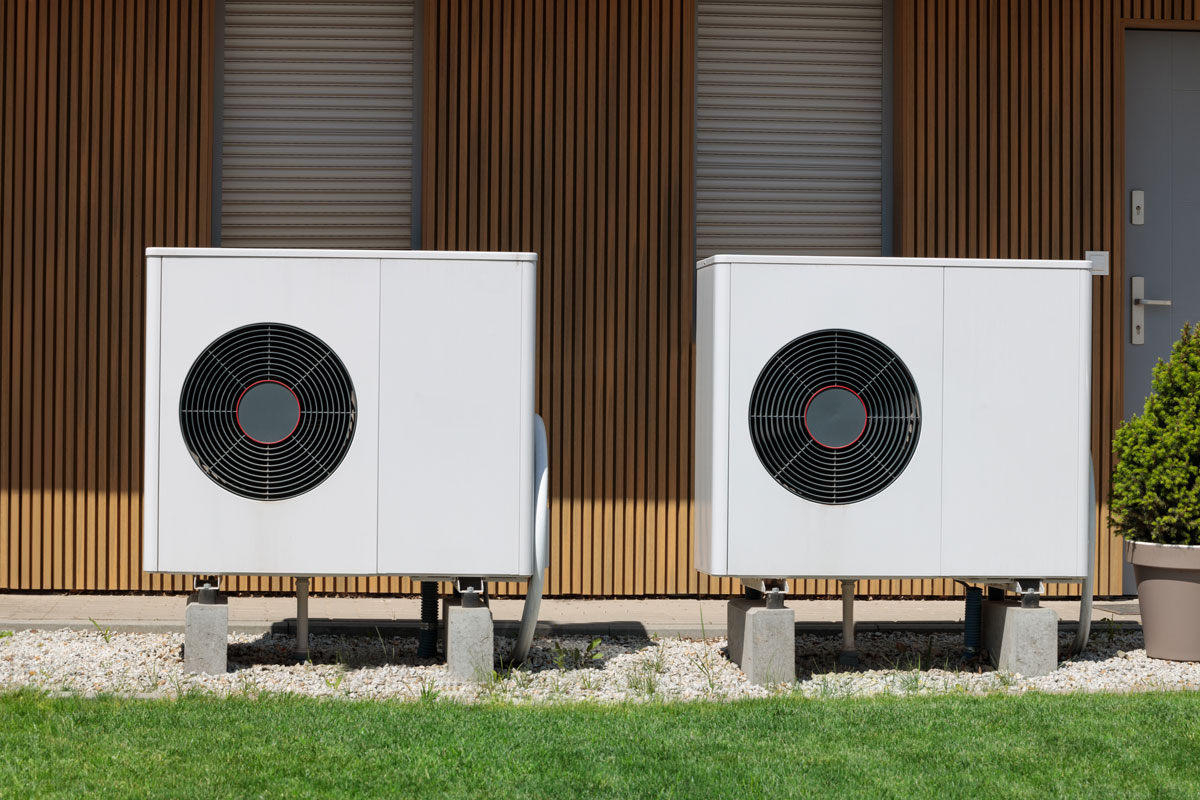
As temperatures shift and the cost of energy bills soar, the quest for efficient heating and cooling solutions becomes more urgent than ever. Enter the heat pump.
Heat pumps are versatile and energy-efficient devices that can significantly enhance the performance of your furnace.
By transferring heat rather than generating it, a heat pump can lower your reliance on expensive fossil fuels and reduce your heating bills, especially in mild weather. When combined with a furnace, a heat pump can help you enjoy year-round comfort while maximizing energy savings.
To find out if a heat pump is the right choice for your home, contact the team at Comfortec today to talk about whether a furnace with a heat pump is right for your home.
Understanding the basics of heat pumps
Before diving into the world of heat pumps, it’s essential to grasp the fundamental concepts that make these devices a cornerstone of modern HVAC systems. Unlike traditional heating methods that generate heat through combustion or electric resistance, heat pumps operate on a different principle: they transfer heat rather than create it. This unique approach makes them incredibly energy-efficient and cost-effective.
How heat transfer works
Heat transfer is the key mechanism behind the operation of a heat pump. In the winter, when you need warmth, the heat pump extracts heat from the air, ground, or water outside your home, even when temperatures are low. This extracted heat is then compressed and transferred inside, where it is released to warm your living spaces.
However, during the summer, the process reverses, and the heat pump extracts heat from the inside of your home and releases it outside, effectively cooling your environment. This dual functionality means that a heat pump can provide year-round comfort, eliminating the need for separate heating and cooling systems.
Heat pumps’ energy efficiency
One of the most significant advantages of heat pumps is their energy efficiency. By transferring heat rather than generating it, they use far less energy than conventional heating methods. This efficiency translates into substantial savings on your heating bills. In fact, many homeowners who switch to a heat pump system report significant reductions in their energy costs. However, the effectiveness of a heat pump can vary depending on the climate and the specific needs of your home. For instance, in regions with extremely cold winters, a heat pump might need to work harder to maintain comfortable temperatures, which could affect its efficiency. Understanding when to use a heat pump can help you maximize its benefits and ensure it operates at its best.
Furnace & heat pump combo
Combining a heat pump with a traditional furnace can further optimize energy use and cost savings. This hybrid system allows the heat pump to handle the majority of the heating load during milder weather, while the furnace kicks in during the coldest days.
This setup not only reduces reliance on traditional heating methods but also ensures that your home remains comfortable year-round. As we delve deeper into the integration of heat pumps with furnaces, you’ll discover how this combination can lead to even greater energy savings and a more efficient home heating solution.
How a heat pump works with a furnace
Once you understand the basics, the next step is to explore how a heat pump can seamlessly integrate with your existing furnace to enhance both comfort and efficiency. A furnace with a heat pump system is a hybrid approach that leverages the strengths of both technologies to provide year-round climate control.
When it’s cold outside
During the colder months, the heat pump extracts heat from the outdoor air, even in temperatures as low as 30 degrees Fahrenheit, and transfers it indoors. This supplemental heat reduces the workload on your furnace, allowing it to run less frequently and thus extending its lifespan.
When it’s warm outside
In warmer months, the heat pump reverses its operation, acting as an air conditioner to cool your home. This dual functionality means you have a single system that can handle both heating and cooling, making it a versatile and cost-effective solution.
The heat pump is particularly efficient in milder temperatures, where it can manage the home’s climate without the need for the furnace to kick in, thereby saving energy and reducing your utility bills.
Great combo for homeowners
The integration of a heat pump with a furnace is designed to provide a balanced approach to home heating. When the outdoor temperature drops to a point where the heat pump alone cannot maintain the desired indoor temperature, the furnace takes over to ensure consistent warmth.
This system not only reduces wear and tear on the furnace but also optimizes energy usage by using the most efficient method for the current weather conditions. By working together, these two systems can significantly cut down on energy consumption and costs, making your home more comfortable and environmentally friendly.
Energy savings: The financial benefits of a heat pump
The financial rewards of investing in a heat pump are significant, and the long-term savings on energy bills can be a game-changer for homeowners.
One of the primary advantages of a heat pump is its ability to reduce reliance on expensive fossil fuels. Traditional heating systems, such as furnaces, often depend on natural gas, oil, or propane, which can fluctuate in price and contribute to higher heating costs.
In contrast, a heat pump uses electricity to transfer heat from the outside air to the inside, or vice versa, depending on the season. This process is much more efficient, especially in regions with moderate climates, where the temperature differences are not extreme.
Heat pumps are best in mild weather
In mild weather, the energy efficiency of a heat pump becomes even more apparent. During the fall and spring, when temperatures are cooler but not freezing, a heat pump can lower heating bills by using less energy to maintain a comfortable indoor temperature. This is because heat pumps do not generate heat through combustion.
Instead, they move heat from one place to another. This method of operation requires significantly less energy compared to traditional heating methods, leading to substantial savings over time.
Heat pumps reduce furnace workload
Pairing a heat pump with a furnace can further enhance energy efficiency and financial savings throughout the year. In colder climates, a dual system allows the heat pump to handle the heating during milder days, while the furnace kicks in during the coldest periods.
This hybrid approach ensures that you are always using the most efficient and cost-effective method to heat your home, regardless of the weather. By minimizing the use of fossil fuels and maximizing the use of electricity for heating, you can achieve a balanced and economical solution that keeps your home comfortable year-round.
Making the switch: Is a heat pump right for your home?
Determining whether a heat pump is the right choice for your home involves considering several key factors, including your current heating system and local climate conditions.
That’s where the pros at Comfortec can help.
Call or contact us today to have a technician come out and assess whether a heat pump is right for your home.
FAQ: Quick Answers on Heat Pumps and Furnaces
What is the primary benefit of a heat pump/furnace combo?
This hybrid system maximizes energy efficiency and cost savings by using the heat pump for year-round comfort during mild weather and engaging the furnace only on the coldest days.
How does a heat pump save me money?
Heat pumps transfer heat instead of generating it, consuming significantly less energy than traditional heating methods. This reduces your reliance on expensive fossil fuels like natural gas or oil.
When does the furnace still run in a dual system?
The furnace is typically reserved for the coldest periods when outdoor temperatures drop to a point where the heat pump’s efficiency is reduced, ensuring consistent, comfortable warmth inside.
Does a heat pump also provide cooling?
Yes, a heat pump is a versatile, dual-functional system that reverses its operation in warmer months to extract heat from inside your home and cool your environment, eliminating the need for a separate air conditioner.