
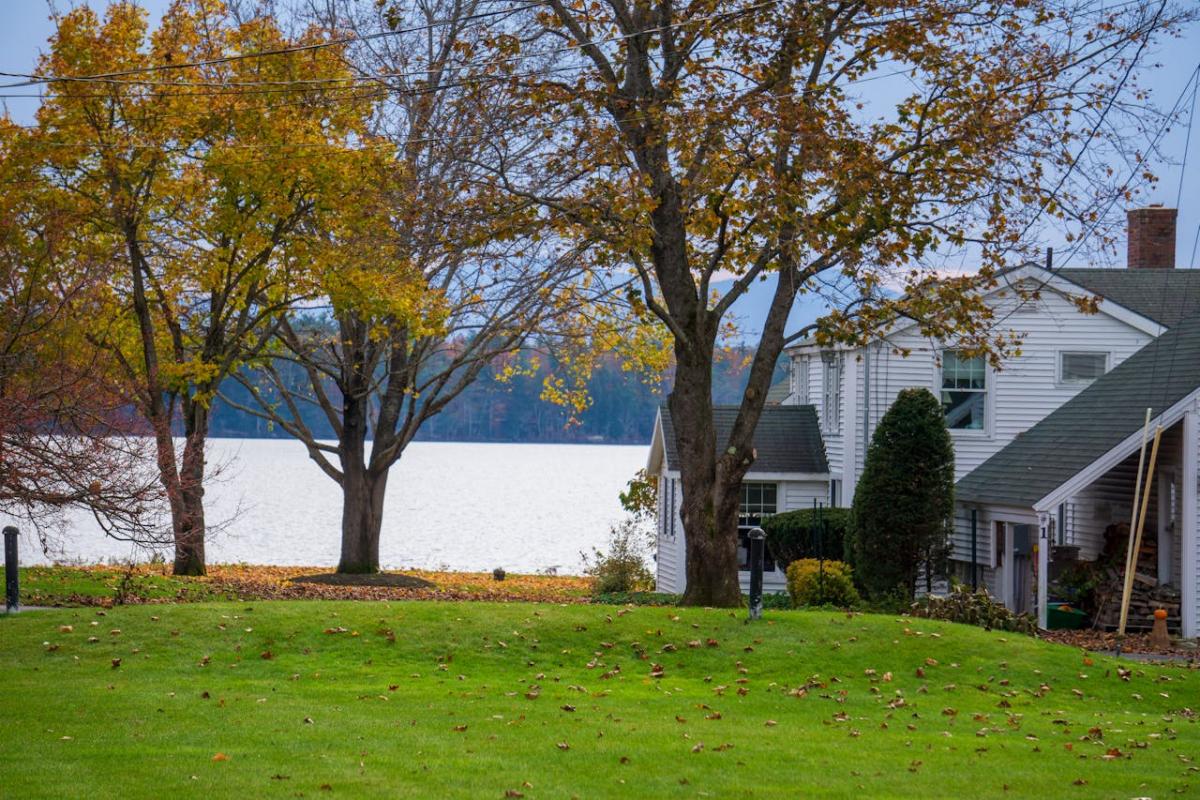
As the leaves begin to change and the crisp autumn air sets in, it’s time to start thinking about closing the vacation lake house for winter. Preparing your property for the cold months ahead is essential to ensure it remains in top condition and is ready to welcome you back come spring.
This comprehensive guide will walk you through the crucial steps to safeguard your lake home, from protecting your plumbing to securing the exterior and everything in between.
From winterizing your plumbing to prevent costly water damage, to shielding your home’s exterior from harsh winter conditions, we’ll cover all the bases. We’ll also provide practical tips on how to keep pests at bay, check your roof for any potential issues, and secure your home to give you peace of mind during the off-season. And for those who want professional assistance,
Comfortec PHC provides a comprehensive lake home service for when you are ready to close or open your lake home for the season. Contact us today to learn more.
Winterize your plumbing
As a lake home owner, one of the most critical tasks when closing the vacation lake house for winter is ensuring your plumbing system is well-protected from the harsh cold. Winterizing your plumbing doesn’t have to be complicated, but it does require a few essential steps to prevent costly damage.
First and foremost, begin by turning off the water supply to your lake house. This step is crucial as it stops any water from entering your pipes, which could potentially freeze and burst during the cold winter months. Once the water supply is shut off, the next step is to drain all water from your pipes and fixtures. This includes faucets, showers, and any other water outlets in your home. Open all faucets and let the water run until it stops, ensuring that no water remains in the pipes.
To provide an extra layer of protection, pour antifreeze into your drains and toilets. Antifreeze helps prevent any remaining water from freezing and causing damage. Additionally, make sure to insulate any exposed pipes. Pipe insulation is an effective way to keep your pipes from freezing, especially in unheated areas like crawl spaces or attics. This simple step can save you from expensive repairs down the line.
If your lake home has a water heater, it’s important to turn it off and drain it completely. This prevents any water from freezing inside the heater and causing damage. By following these steps, you can significantly reduce the risk of plumbing issues during the winter months.
Remember, taking the time to properly close your lake home for winter will not only protect your investment but also give you peace of mind knowing your property is well-prepared for the cold season. If you’re not comfortable handling these tasks on your own, professional services like those offered by Comfortec PHC can ensure your lake home is fully winterized and ready for the off-season.
Protect your exterior
When it comes to closing your lake house for winter, protecting the exterior is just as crucial as safeguarding the interior. The harsh winter elements can take a toll on your home’s exterior, making it essential to take preventive measures. Start by preparing outdoor items such as patio furniture, grills, and garden tools. Store them in a shed or garage to prevent damage from snow, ice, and wind. This simple step can significantly extend the lifespan of your outdoor belongings.
Next, turn your attention to securing water sources. Disconnect and drain any outdoor hoses to prevent water from freezing and expanding, which can cause damage. Ensure that outdoor faucets are properly insulated or have protective covers to prevent freezing. This is a critical step in what to do when closing your lake home for winter as frozen pipes can lead to costly repairs.
Sealing potential air leaks is another important aspect of protecting your exterior. Inspect windows and doors for any gaps or cracks that could allow cold air to enter. Use weatherstripping or caulk to seal these areas, which will not only protect your home from the elements but also improve energy efficiency. Installing protective measures such as storm windows can provide an extra layer of insulation and protection against harsh weather conditions.
Prevent pests
When it comes to closing your lake house for winter, one crucial aspect that often gets overlooked is pest prevention. Lake homes, with their natural surroundings, can be particularly susceptible to unwanted visitors seeking shelter from the cold. To ensure your lake home remains pest-free throughout the winter, it’s important to take proactive measures.
Start by eliminating potential food sources that attract pests. Empty your pantry and kitchen cabinets of any perishable items and store leftover food in airtight containers. Clean your kitchen thoroughly, removing any crumbs or spills that might attract critters. It’s also a good idea to take out all trash and dispose of it properly before you leave.
Securing entry points is another critical step in preventing pests. Inspect the exterior of your lake house for any gaps, cracks, or holes, no matter how small. Use caulk or foam sealant to fill these openings, making sure to pay special attention to areas around windows, doors, and utility lines. Installing protective barriers, such as hardware cloth or metal flashing, can also help keep pests out.
Check your roof
Ensuring your roof is well-prepared for the winter season is a crucial part of closing your lake house for winter. Begin by clearing away any accumulated leaves or debris from the roof and gutters. This step is essential to prevent water damage and ice buildup, which can cause significant issues during the colder months. A clean roof and gutter system allow water to drain efficiently, reducing the risk of ice dams and potential leaks.
Another important step is to trim any overhanging tree branches. During harsh winter weather, these branches can become heavy with snow and ice, increasing the risk of them falling and causing damage to your roof. By trimming these branches, you minimize the potential for costly repairs and ensure the safety of your lake house.
Secure your home
When closing your lake house for winter, security is a paramount concern. Ensuring that your property remains safe during your absence involves taking several essential steps. Start by thoroughly checking all entry points, including doors and windows, to make sure they are properly locked and fortified. This includes not just the main entrances but also garage doors, sheds, and any other potential access points. Installing additional locks or reinforcing existing ones can provide an extra layer of protection.
Consider enhancing your security measures by installing a comprehensive security system. Modern systems often come equipped with features like motion-activated lighting, which can deter potential intruders by illuminating the property whenever movement is detected.
Additionally, security cameras can provide remote monitoring capabilities, allowing you to keep an eye on your lake home from anywhere. These systems can be a significant investment, but they offer invaluable peace of mind, knowing that your property is under constant surveillance.
Another crucial step in securing your lake house is to remove any valuable items. It’s also wise to notify trusted neighbors or nearby friends about your absence and ask them to keep an eye on your property. Neighbors can be a valuable asset in detecting any unusual activity and alerting authorities if necessary.
Tips for closing lake houses like these are essential for maintaining the safety and integrity of your property during the colder months.